College Community
Reading – A Key to Everyday Life
‘Students, reading isn’t just about books it’s about being an active participant in our world.’
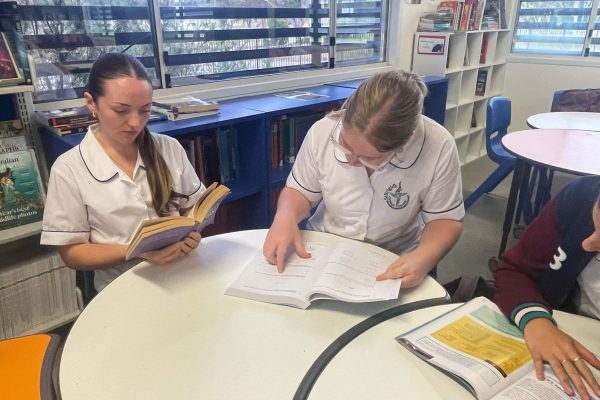
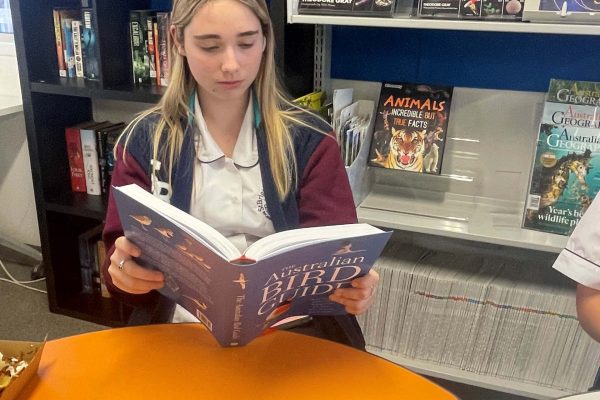
Reading isn’t just something we do in an English class; it’s a skill that opens doors in every subject and helps us make sense of the world around us. Whether you’re a parent supporting your child or a student trying to keep up with schoolwork, reading every day is one of the most powerful habits you can build.
Reading is a learned skill. Unlike speaking, which we pick up naturally, reading needs to be taught clearly and practiced regularly. It’s built on a foundation of oral language, phonics, vocabulary, fluency, and comprehension. These skills help us decode words and understand their meaning essential not just for school, but for everyday life.
As a parent/carer, think about your day: reading a recipe, checking a bus timetable online, scrolling through messages, or following an agenda at work. Reading is everywhere. At home, when parents read letters, write shopping lists, or share stories, children see that reading is useful and valuable. These everyday moments help build a strong reading culture.
But here’s the challenge: many secondary students still struggle with reading. Some missed out on strong reading instruction early on. Others simply haven’t had enough practice. And as students move from primary to high school, reading for pleasure drops off sharply. A Deakin University study of over 13,000 Australian teens found that nearly one-third don’t read for enjoyment during the school term, and only 15% read daily.
This matters. Reading for pleasure is linked to better academic results, stronger mental wellbeing, and better job opportunities later in life. It also helps students dive deeper into non-fiction texts essential for building knowledge in all subjects across their secondary schooling. At St Brigid’s, students read novels in English, interpret Bible passages in Religion, and solve worded problems in Maths. These tasks require more than just basic reading they demand the ability to understand complex ideas, use subject-specific vocabulary, and think critically.
That’s why reading needs to happen every day. Just like exercise strengthens the body, daily reading strengthens the brain. Parents can make a big difference by modelling reading at home, talking about books, and encouraging both fiction and non-fiction reading. Teens are more likely to read when they see adults enjoying books and when they’re supported to find texts that match their interests. Making reading social through conversations, shared recommendations, and library visits can reignite a love of reading and support lifelong learning. When was the last time your child went our St Brigid’s library?
Students, reading isn’t just about books it’s about being an active participant in our world. It helps us learn, connect, and grow. So, whether you’re picking up a novel, reading a news article, or solving a maths problem, remember: every word you read is a step forward. And every day you read, you’re building a stronger future.
Reading Challenge!
If you’re a parent or student who’s read this article thank you! Now, we’d love to hear from you.
What sparked your interest?
How do you encourage reading at home or in your daily life?
Share your thoughts, tips or stories with us by emailing them to: stbrigids@dbb.catholic.edu.au before 5pm Sunday 9 November.
Every response will go into the draw to win a special prize. It’s a fun way to celebrate reading and inspire others in our St Brigid’s community.
Let’s keep the conversation going because reading every day makes a difference!
Mrs Joyce Ison
Assistant Principal – Student Achievement